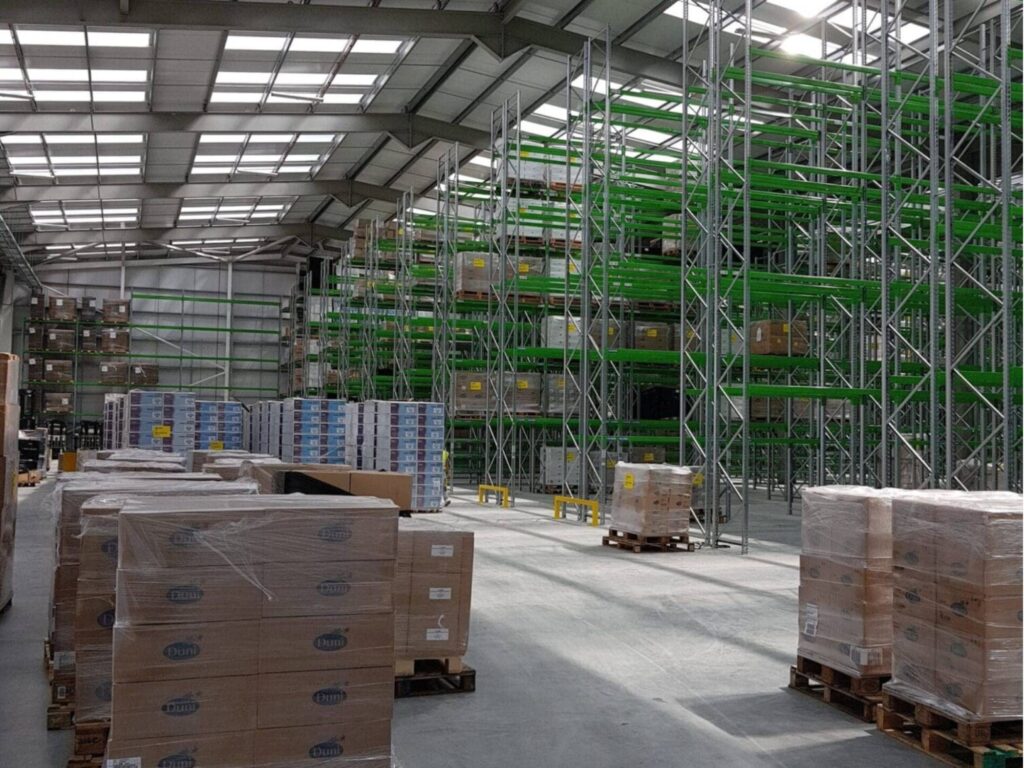
If you’re in a warehouse that is busily operating there are very tall sets of pallet racks that have heavy items stored on them. These type of racks enable businesses to safely store products while at the same time taking the best use of their warehouse space. However, over time small bumps from forklift trucks or items stored on the racks can damage the system. Sometimes this damage can be noticed, and other times the damage cannot be seen—at least from the surface.
Pallet Rack Inspections are very important given that typical inspections can help a company to detect issues early and will allow for the safety of all employees and produce as well as pallet rack equipment. A very common method used for assessing the level of damage to pallet racking is the “Red, Amber, Green (RAG)” inspection system because of simplicity in understanding what level of safety exists relative to a given rack system.
Let us dig a little deeper to understand the meaning of each of the colors.
Why Pallet Racking Inspections Matter
Pallet racking is used to hold a lot of weight on a regular basis. Even a small bend in a beam or a frame will compromise the integrity of the structure. If this problem is not addressed, it will result in major accidents or even a collapse of the rack.
Regular inspections of the pallet racking will help to identify the problems before they become major safety hazards. These include bent frames, damaged beams, safety clips missing, etc.
Professional inspections will help to ensure that storage equipment in the warehouse is not only compliant but also strong. At P. Nihill Engineering, the inspections will help businesses to maintain strong storage equipment without compromising the running of the business.
The Red, Amber, Green (RAG) Damage System
To help breakdown inspections in simple terms, lots of inspectors rely on the classic Red AmberGreen (RAG) categorization. Just like traffic lights! Each color indicates the extent of the damage and the recommended course of action. By using this method, a warehouse manager can immediately figure out the repair needs and priority level of the issue.
Green Level: Safe but Keep Monitoring
The green level indicates that the racking is safe and there is no need for immediate repair. The damage at this level is very minor and does not impact the strength of the rack. Some examples would be light scratches, small marks, or very slight wear resulting from normal use.
It’s a good idea to note even green damage during Pallet Racking Inspections. Keeping tabs on these minor issues will help inspectors determine if the damage is deteriorating over time. You may consider green as a caution to remain alert, not a cause for alarm.
Amber Level: Needs Attention Soon
The amber level means the damage to the racking is visible and could potentially become a problem if not fixed. It is likely the pallet racking could still function for a short time, but it is important to make the necessary repairs as soon as possible.
Common examples of amber damage include frames that are slightly bent, slight deformation of the beams, and parts that are starting to deteriorate.
When inspectors flag the damage with the amber level, the manager of the warehouse needs to make the necessary repairs quickly. If not, the damage could become worse and reach the red level.
That is the main reason Pallet Racking Inspections are so important. They help prevent problems from occurring in the first place.
Red Level: Immediate Action Required
The most serious category of damage would be classified as a “Red“. Red racking has been determined to be unsafe and is not allowed to be used until it meets the standard for safety by either being repaired or replaced.
Generally, red damage is categorized by either extensive bending, severe structural damage, or lack of stable components properly installed on the rack.
Once you see red markings on a rack, immediately unload the rack and place a block in front of it to prohibit use. Repairing red damage should be accomplished as quickly as possible to restore the area to a safe working condition.
If red damage is not repaired, workers may be injured and/or could incur a large expense due to a warehouse accident or loss of productive time.
The Role of Professional Inspections
Warehouse employees could spot obvious damage, but only trained inspectors can really tell what the right thing to do is. Expert Pallet Racking Inspections adhere to the standards of the industry and use the skill to discover risks that are not visible.
Inspectors offer detailed reports, images together with suggestions so that companies will get to know only what needs repairing. Our expertise lies in assisting warehouses remain in compliance with safety regulations at the same time work in shielding the workers and the goods that are kept.
Building a Safer Warehouse
A company can have an easier time managing warehousing safety when they use the Red, Amber, and Green color-coded system, as it provides an easy method to identify the level of damage and take appropriate action at the appropriate time.
The important thing to help ensure storage areas are safe is to be consistent. Routine inspections on pallet racking allow for the quick identification of minor issues before they develop into serious threats.
Partnering with an experienced company such as P. Nihill Engineering will help to maintain the strength of racking systems while assisting to maintain employee safety and ensure smooth operation of your warehousing operation.
A safe warehouse environment is more than just having strong storage; it requires careful monitoring, prompt actions, and making inspections part of your overall operation every day.
Our Valued Clients & Partners